
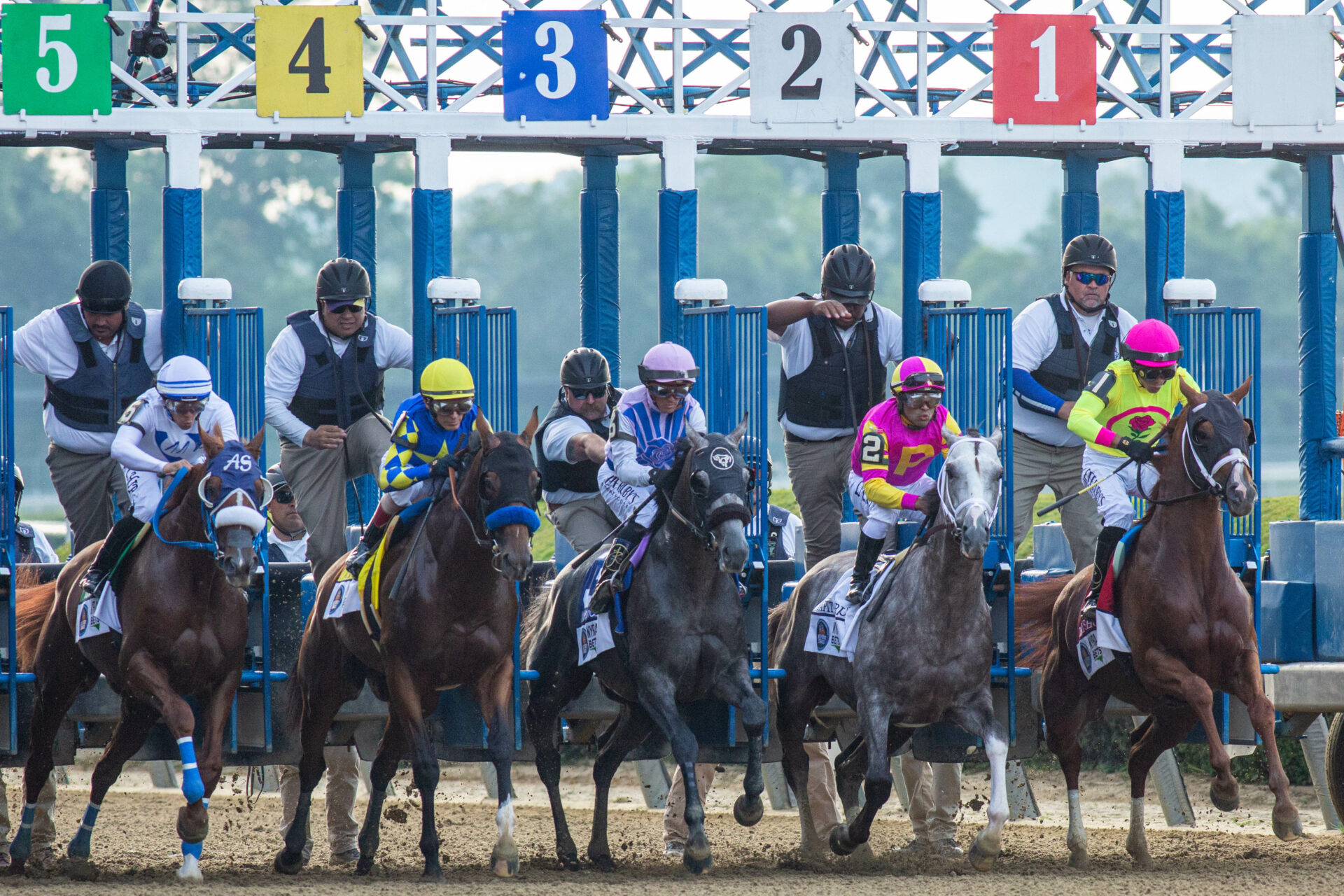
The Thrills of Horse Racing: Unblocked by Obstacles
Horse racing has long been a spectacle of speed, elegance, and unwavering determination. Over the centuries, it has evolved into a multifaceted sport that captivates millions worldwide. One might wonder, what makes this sport so special? How do horse racing events manage to maintain their allure despite various challenges? To explore these questions and more, let’s delve into the history, culture, and essence of this remarkable sport. For more information about equine involvement in community services, you can visit horse racing not blocked by GamStop https://merseysidepolicemounted.uk/.
The Historical Roots of Horse Racing
The origins of horse racing can be traced back to ancient civilizations. Evidence suggests that chariot races occurred in Babylon, Egypt, and Greece, with the Romans later formalizing equestrian contests. The first recorded horse race took place in 1651 when two French noblemen bet on their horses. This event set the stage for organized racing, leading to the rich traditions we see today.
Types of Horse Racing
Horse racing comes in various forms, each with its own set of rules and characteristics. Some of the most prominent types include:

- Flat Racing: This is the most common form, where thoroughbreds run on a flat surface with no jumps. Races typically range from five furlongs to two miles.
- Jump Racing: Also known as National Hunt racing, this involves horses jumping hurdles or fences. It is particularly popular in the UK and Ireland.
- Harness Racing: In this variant, horses pull a two-wheeled cart, known as a sulky. The races are held on a track and are popular in the United States.
- Endurance Racing: This is a long-distance race, testing the stamina of horses over significant distances, often exceeding 100 miles.
The Players in the Game
Horse racing is not just about the horses. Several key players make the sport vibrant:
- Jockeys: These skilled athletes ride the horses in races, employing techniques to enhance the horse’s performance.
- Trainers: Trainers play a vital role in preparing horses for racing, focusing on fitness, diet, and strategy.
- Owners: Individuals or groups invest in horses, maintaining the operational side of the sport.
- Breeders: Breeders are responsible for producing competitive horses, focusing on pedigree and genetics.
The Culture of Betting
Betting is one of the most thrilling aspects of horse racing. Fans engage in various types of bets, from simple win/place/show bets to more complex exotic wagers. The adrenaline rush that comes with placing a bet adds another layer of excitement to the live race experience. Various sportsbooks and online betting platforms allow fans to place wagers even from afar, thus expanding the sport’s reach.
The Impact of Technology
In recent years, technology has reshaped the landscape of horse racing. Enhanced data analytics provide insights into horse performance, helping bettors make informed decisions. Drones and GPS technology are employed for race tracking, while virtual reality experiences allow fans to immerse themselves in the racing world without being present physically.
Sustainability in Horse Racing
As with many sports, sustainability has become a significant topic in horse racing. Due to concerns over animal welfare and environmental impacts, the industry is working to adopt more sustainable practices. Initiatives include better living conditions for racehorses, the recycling of race-related materials, and movements towards reducing carbon footprints at racecourses.
The Global Reach of Horse Racing
From the Kentucky Derby in the United States to the Melbourne Cup in Australia, horse racing events are celebrated globally. Each region adds its culture to the sport, creating unique experiences for fans. Major events attract huge crowds, and the finest horses compete for prestige and prize money.
In countries like the UK and Ireland, horse racing is steeped in tradition and attracts a diverse audience. Social events surrounding racing, such as gala dinners and themed parties, enhance the spectacle, making it more than just a sport.
Challenges Ahead
While horse racing is a beloved sport, it faces challenges that could affect its future. Issues surrounding animal welfare, drug use, and the racing environment have come under scrutiny. Industries must continue to adapt and enhance transparency to maintain the integrity of the sport.
Conclusion: A Sport Unblocked by Challenges
Despite the challenges it faces, horse racing’s unique blend of competition, tradition, and culture allows it to thrive. With passionate fans, dedicated professionals, and evolving technology, the sport stands resilient against obstacles. While horse racing may have its ups and downs, the thrill of the race will always capture the hearts of those who love it.