
Technical Review of the Mostbet Gaming and Betting Platform
Mostbet operates as a multifaceted online platform integrating sports betting, casino gaming, and live dealer services. This review provides a technical dissection of its architecture, interface mechanics, and operational protocols. We will examine the platform’s core components, from the underlying software stack powering its real-time betting engine to the client-side application logic governing user interaction. The analysis includes a procedural walkthrough of account lifecycle management, financial transaction gateways, and the security infrastructure safeguarding user data and funds. For users in specific regions, such as mostbet pakistan, local payment integrations and support channels are part of the platform’s configuration.
Platform Infrastructure and Core Technology Stack
The Mostbet platform is built on a distributed microservices architecture, which allows for independent scaling of its core modules: the sportsbook engine, the casino game server cluster, and the payment processing hub. The front-end interface is delivered via a responsive web application built with a component-based JavaScript framework, ensuring consistent rendering across desktop and mobile browsers. Real-time data, crucial for in-play betting and live casino streams, is handled through WebSocket connections, maintaining a persistent, low-latency link between the client and the platform’s event-driven backend services. This separation of concerns enhances platform stability; a latency spike in the casino game server, for instance, does not directly impact the sports betting odds calculation service.
Mostbet Client-Side Application – Native vs. Progressive Web App
Users can access Mostbet services through two primary client types: a native mobile application and a Progressive Web App (PWA). The native app, available for Android and iOS, is compiled for each operating system, allowing for deeper hardware integration, such as biometric authentication (fingerprint or Face ID) and push notification services. The Android APK is distributed directly from the Mostbet website, bypassing the Google Play Store’s restrictions on real-money gambling apps, which necessitates enabling installation from “Unknown Sources” in the device security settings. The PWA, accessible via mobile browsers, offers a near-native experience by caching core assets locally, enabling offline functionality for static content and faster load times on subsequent visits. Both clients consume the same backend API endpoints, ensuring parity in functionality and account state.
Mostbet – Account Lifecycle Management – Registration and KYC Protocols
Initiating an account on Mostbet involves a multi-step process designed to collect essential user data and enforce regulatory Know Your Customer (KYC) standards. The procedure is a sequential API call chain initiated from the client interface.
- Initial Data Submission: The user provides a mobile phone number or email address, creates a password adhering to complexity requirements (typically a mix of alphanumeric and special characters), and selects a currency (e.g., Euro, Polish Zloty, Swiss Franc). This triggers a verification code via SMS or email, which acts as a one-time password (OTP) to validate the contact channel.
- Profile Completion: Post-verification, the user is prompted to enter personal details: full legal name, date of birth, and residential address. This data is hashed and transmitted over TLS 1.3 to the user profile service database.
- Identity Verification (KYC): To activate full transactional capabilities, the user must undergo identity verification. The interface guides the user to upload scanned images or photos of an official government-issued ID (passport, national ID card, or driver’s license) and, often, a proof of address (a utility bill or bank statement). Mostbet employs third-party optical character recognition (OCR) and liveness detection services to automatically validate document authenticity and match the user’s submitted data.
- Account States: The account transitions through states: Unverified (registration complete, deposits/withdrawals limited), Under Review (documents submitted), and Verified (full functionality unlocked). This state machine is managed by the platform’s compliance service.
Mostbet Financial Gateway – Deposit and Withdrawal Mechanics
The platform’s payment module acts as an abstraction layer, connecting multiple external payment service providers (PSPs) to a unified internal ledger. When a user initiates a transaction, the client sends a request to the payment gateway API, which routes it based on the selected method and user region.
| Transaction Type | Common Methods (Europe) | Technical Processing Flow | Typical Timeframe |
|---|---|---|---|
| Deposit | Credit/Debit Card (Visa, Mastercard), E-wallets (Skrill, Neteller), Bank Transfer, Prepaid Vouchers (Paysafecard) | Card data is tokenized via PCI-DSS compliant PSP; funds are authorized and settled instantly. E-wallets and vouchers use redirects to the provider’s authentication page before posting a callback to Mostbet’s API to credit the balance. | Instant to 15 minutes |
| Withdrawal | Bank Transfer, E-wallets, Card (where supported) | Triggered manually or via API; undergoes automated fraud scoring and manual compliance check. Approved requests are batched and sent to the PSP, which initiates the transfer to the user’s nominated account. The speed is dictated by the PSP’s settlement cycle and internal auditing. | 1 hour to 3 business days |
Each user’s balance is a record in a high-availability database, with transactional integrity ensured by ACID (Atomicity, Consistency, Isolation, Durability) principles. Currency conversion, if applicable, uses real-time rates from a financial data feed with a small margin applied by the platform.
Promotional Engine and Bonus Logic with Mostbet
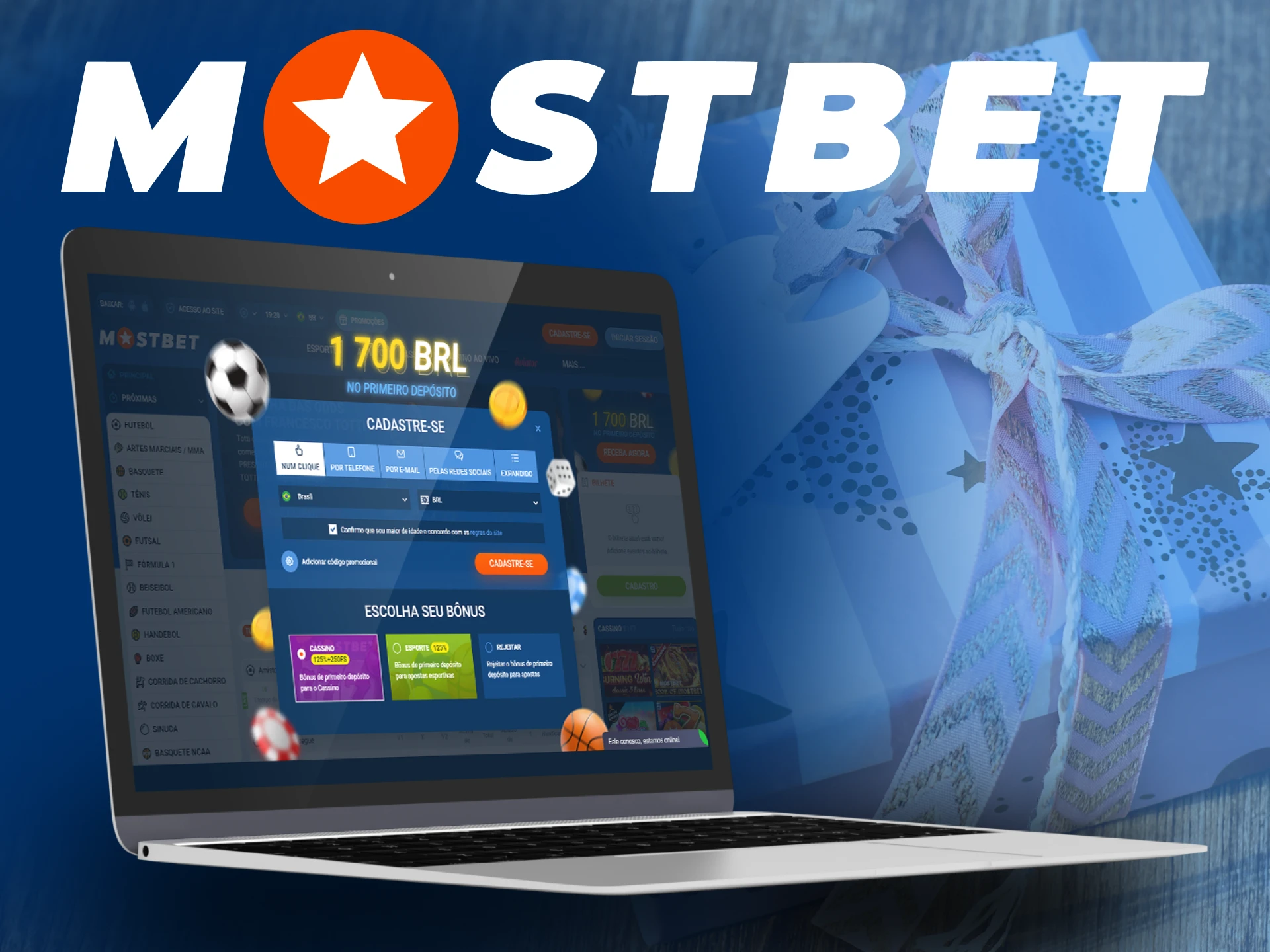
Mostbet’s promotional system is a rule-based engine that applies incentives to user accounts. Bonuses are not simple credit drops; they are complex financial instruments with attached logic governing their conversion to withdrawable cash.
- Welcome Bonus: Typically a matched deposit bonus (e.g., 100% up to €300). The engine credits a “bonus balance” separate from the main cash balance. The funds are locked until a wagering requirement (e.g., 35x the bonus amount) is met on eligible events with specific odds thresholds.
- Free Bets: Issued as a non-withdrawable token. When used on a qualifying bet, the stake is deducted from the token pool. If the bet wins, the net profit (total return minus the token’s value) is credited to the main cash balance.
- Loyalty Programs: Often implemented as a points-based system. User activity (bet volume, game rounds played) generates points via a background job. These points can be exchanged for bonuses or free spins in a dedicated catalog, managed by the loyalty service module.
- Technical Constraints: Each bonus has configurable parameters: validity period, eligible games/sports, maximum bet size while the bonus is active, and contribution percentages (e.g., slots may contribute 100% to wagering, while table games contribute 10%). The engine tracks these parameters in real-time, updating the “remaining wagering” counter with each settled bet.
Security Architecture and Data Protection
Mostbet’s security posture is multi-layered, addressing network, application, and data-level threats.
Encryption and Network Security: All data in transit is encrypted using TLS 1.2 or higher, with certificates from recognized authorities. The platform likely employs a Web Application Firewall (WAF) to filter and monitor HTTP traffic for SQL injection, cross-site scripting (XSS), and other OWASP Top 10 threats.
Data Storage and Privacy: Personal user data is stored in encrypted databases, with sensitive fields like passwords being hashed using strong, salted algorithms (e.g., bcrypt). The platform’s operation under licenses from authorities like Curacao eGaming mandates adherence to specific data protection and fair gaming standards, which involve regular third-party audits of the Random Number Generators (RNGs) used in casino games.
Account Security Features: Users can enable two-factor authentication (2FA), typically via time-based one-time passwords (TOTP) from an authenticator app, adding a second layer of defense beyond the password. Session management includes mechanisms for automatic logout after periods of inactivity and the ability to review active login sessions from the account settings panel.
Support System Interface and Ticketing Workflow
User support is channeled through a ticketing system integrated into the platform’s backend. The technical workflow is as follows:
- Ticket Initiation: The user accesses the support module, selects a category (e.g., “Financial,” “Technical,” “Verification”), and submits a query. The form may include automatic attachment of recent transaction logs or game session IDs for context.
- Routing and Queuing: The ticket is created in the system with a unique ID, timestamped, and placed in a queue based on its category and priority. It is assigned to an available support agent with the relevant expertise.
- Communication Protocol: Interaction occurs within the ticket thread. Users receive notifications of replies via email or in-app alerts, depending on their settings. For urgent issues, a live chat function may be available, which is essentially a real-time messaging interface that often creates a ticket in the background for record-keeping.
- Resolution and Escalation: The agent works to resolve the issue, potentially querying internal admin panels for user account data or transaction logs. If the issue requires developer attention (e.g., a software bug), the ticket can be escalated to a technical team, with its status and history preserved in the system.
Interface Usability and Navigation Schema with Mostbet
The Mostbet interface employs a standard dashboard layout optimized for information density and rapid task completion. The navigation schema is hierarchical.
- Primary Navigation Bar: A persistent header contains top-level categories: Sports, Live (in-play), Casino, Live Casino, Promotions, and Account. Each category expands into a mega-menu or sidebar with sub-sections (e.g., Sports breaks down into Football, Tennis, Basketball).
- Sportsbook Layout: The central workspace uses a multi-column view. The left column displays a tree of available sports and leagues. The center column lists events and markets, with odds presented as clickable buttons. The right column is a bet slip, a dynamic component that updates in real-time as selections are added, calculating potential returns.
- Casino Game Lobby: Games are presented as thumbnail tiles in a grid. The lobby is served by a content management system (CMS) that allows filtering and sorting by provider (NetEnt, Pragmatic Play, etc.), game type (slots, roulette, blackjack), and features. Each tile links to the game client, which loads in an iframe or a new browser tab.
- Responsive Design Implementation: On mobile devices, the navigation bar collapses into a hamburger menu, and the bet slip may become a modal overlay. Touch targets (buttons, links) are sized appropriately for finger input, following accessibility guidelines.
Platform Performance and Reliability Metrics
From a technical review standpoint, platform performance is measured by key operational metrics. Latency in odds updates during live events should be minimal, ideally under three seconds from the actual sporting event to reflect on the user’s screen, a function of the efficiency of the data feed ingestion and WebSocket broadcast system. Uptime, the percentage of time the service is available, is critical for a 24/7 operation; reputable platforms target 99.5% or higher, requiring redundant server infrastructure and load balancers. Game fairness is not a subjective metric but a technical one, verified by published RNG certification reports from independent testing labs like iTech Labs or eCOGRA, which audit the algorithm’s entropy and statistical distribution. The Mostbet platform integrates these certified game clients from third-party providers, and the availability of such certification seals is a tangible indicator of technical compliance.