

Exploring Casinos Beyond National Self-Exclusion Programs
In an era where responsible gambling is gaining more attention, many countries have established national self-exclusion programs to assist individuals in managing their gambling habits. These programs allow players to voluntarily exclude themselves from gambling venues for a set period, aiding in the prevention of gambling addiction. However, some players are finding themselves looking for casinos that operate outside these national regulations. This article delves into the implications and situations surrounding casinos that exist outside national self-exclusion programs. For those interested, please refer to casinos outside national self exclusion https://sensingculture.org.uk/ for more insights into cultural impacts on gambling behavior.
The Concept of Self-Exclusion
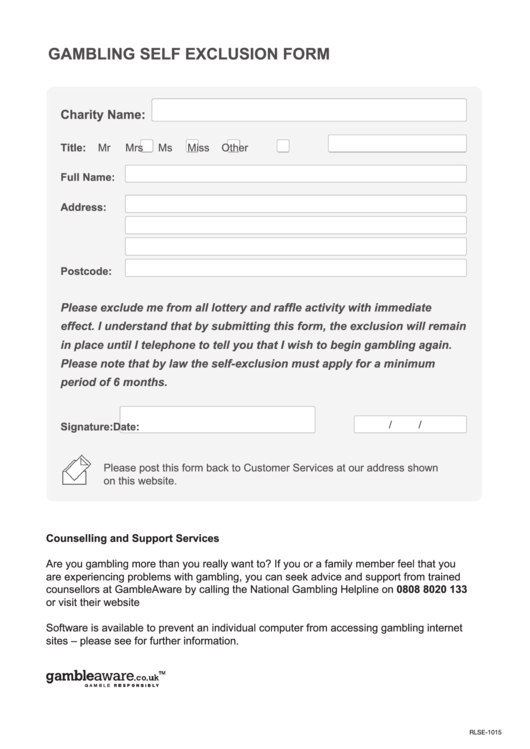
Self-exclusion is a program designed to help individuals who recognize their gambling behaviors may be problematic. By placing themselves on a self-exclusion list, they are effectively barred from entering casinos or online gambling sites that adhere to these self-exclusion policies. This system is pivotal in many jurisdictions, as it provides players with a way to take control of their gambling activities.
Categorization of Casinos
Casinos can generally be categorized into two main types when it comes to self-exclusion: those that comply with national regulations and those that operate outside them. Compliance means these establishments have implemented the necessary frameworks to honor self-exclusion requests, abiding by the legal and ethical standards of responsible gambling. Meanwhile, casinos operating outside these programs may not have mechanisms in place to support self-exclusion, which raises concerns for players and regulatory bodies alike.
Why Some Players Seek Casinos Outside Self-Exclusion
Players may look for casinos outside national self-exclusion programs for various reasons:
- Accessibility: Some individuals might find it more convenient to access casinos that do not enforce self-exclusion policies, especially if they believe they can manage their gambling effectively.
- Variety of Games: Not all casinos offer the same gaming experiences. Players may be inclined to explore different casinos that feature unique games not available in their self-excluded environments.
- Online Options: With the rise of online gambling, many players may seek online casinos that do not comply with national self-exclusion regulations.
The Risks Involved
While seeking casinos outside specific self-exclusion parameters might seem appealing, there are significant risks involved:
- Potential for Increased Losses: Without self-exclusion in place, players may find it easier to overindulge in gambling, leading to more substantial financial losses.
- Lack of Support Systems: Players in casinos that do not comply with self-exclusion programs may miss out on support services that help identify problematic gambling behavior.
- Legal and Ethical Implications: Engaging with unregulated casinos can lead to legal repercussions, as players may unknowingly violate their self-exclusion agreements.
International Perspectives
The approach to self-exclusion varies widely across countries. In some regions, national regulations are stringent, while others maintain a more relaxed stance on gambling activities. This discrepancy can lead to increased interest in casinos that may operate without the confines of these regulations. For example:
- United Kingdom: The UK has robust self-exclusion programs enforced by the Gambling Commission, making it challenging for players to bypass these systems.
- Australia: Various states have their respective self-exclusion frameworks, but players can still find casinos that operate independently from these regulations.
- United States: The legal landscape of gambling in the U.S. is fragmented, with states having different regulations on self-exclusion. This inconsistency can lead to a patchwork of options for players.
Finding Safe Alternatives
For those who might be looking for alternatives but want to maintain their commitment to responsible gambling, there are options beyond traditional casinos. Online gambling platforms with strict adherence to responsible gambling practices can provide recreational experiences without compromising safety. Some strategies include:
- Choose Regulated Online Casinos: Selecting platforms that enforce self-exclusion policies and provide support for players can offer a safer gaming environment.
- Set Personal Limits: Even outside national self-exclusion, players can define their personal gambling limits, which can help manage their spending and time.
- Seek Support Groups: Engaging with organizations focused on problem gambling can provide resources and communities for individuals wanting to address their gambling habits positively.
Conclusion
While casinos beyond national self-exclusion programs might attract players seeking freedom, the consequences of such choices can be profound. Players should weigh the benefits and risks involved, ensuring they keep responsible gambling at the forefront of their decisions. For those wanting to educate themselves further or reach out for help, several resources are available to promote safe gambling habits and support.
