
Colorado pastor cryptocurrency
Crypto market capitalization or “crypto market cap” for short is a widely used metric that is commonly used to compare the relative size of different cryptocurrencies. https://dusystecnologia.com/what-is-internet-marketing/ On CoinCodex, market cap is the default metric by which we rank cryptocurrencies on our frontpage. We also track the total cryptocurrency market cap by adding together the market cap of all the cryptocurrencies listed on CoinCodex. The total market cap provides an estimate on whether the cryptocurrency market as a whole is growing or declining.
The term DeFi (decentralized finance) is used to refer to a wide variety of decentralized applications that enable financial services such as lending, borrowing and trading. DeFi applications are built on top of blockchain platforms such as Ethereum and allow anyone to access these financial services simply by using their cryptocurrency wallets.
Cryptocurrencies such as Bitcoin feature an algorithm that adjusts the mining difficulty depending on how much computing power is being used to mine it. In other words – as more and more people and businesses start mining Bitcoin, mining Bitcoin becomes more difficult and resource-intensive. This feature is implemented so that the Bitcoin block time remains close to its 10 minute target and the supply of BTC follows a predictable curve.
Cryptocurrency news today
In the ever-evolving world of cryptocurrencies, today brought a mix of intriguing developments that are sure to capture the attention of both crypto enthusiasts and traditional finance professionals. From Bitcoin’s resurgence on the back of weak Chinese economic data to the buzz around PayPal’s stablecoin, here’s a comprehensive roundup of the day’s most significant crypto news.
With PayPal’s recent stablecoin announcement, scammers are attempting to capitalize on the hype by releasing counterfeit PYUSD tokens on various blockchains. This serves as a cautionary tale for investors to exercise due diligence and verify the authenticity of tokens before making any transactions.
Today’s crypto news underscores the sector’s dynamic nature, blending innovation, market reactions and the occasional pitfalls. As bitcoin reclaims the $30K mark and major players like PayPal delve deeper into the crypto realm, the intersection of traditional finance and digital currencies becomes ever more pronounced.
Please note that our privacy policy, terms of use, cookies, and do not sell my personal information have been updated.CoinDesk is an award-winning media outlet that covers the cryptocurrency industry. Its journalists abide by a strict set of editorial policies. CoinDesk has adopted a set of principles aimed at ensuring the integrity, editorial independence and freedom from bias of its publications. CoinDesk is part of the Bullish group, which owns and invests in digital asset businesses and digital assets. CoinDesk employees, including journalists, may receive Bullish group equity-based compensation. Bullish was incubated by technology investor Block.one.
Ether and other cryptocurrencies, however, stand to gain much more from the crypto-friendly regulatory environment that Trump has promised and appears to be a priority for many in his inner circle. For example, one reason the spot bitcoin ETFs didn’t see as much success as bitcoin ETFs is because they don’t distribute staking rewards. Many in the industry are hopeful that will change next year.
Bitcoin’s price saw a 3% uptick, climbing to just shy of $30,000 in response to a plunge in global long-dated government bond yields. This fall in yields was triggered by China’s far weaker than anticipated trade numbers for July. The U.S. 10-year Treasury yield tumbled below the 4% mark. These macroeconomic shifts have seemingly buoyed the crypto market, with other notable cryptocurrencies like Solana (SOL), Toncoin (TON), and Chainlink (LINK) registering gains of over 4% at the time of writing.
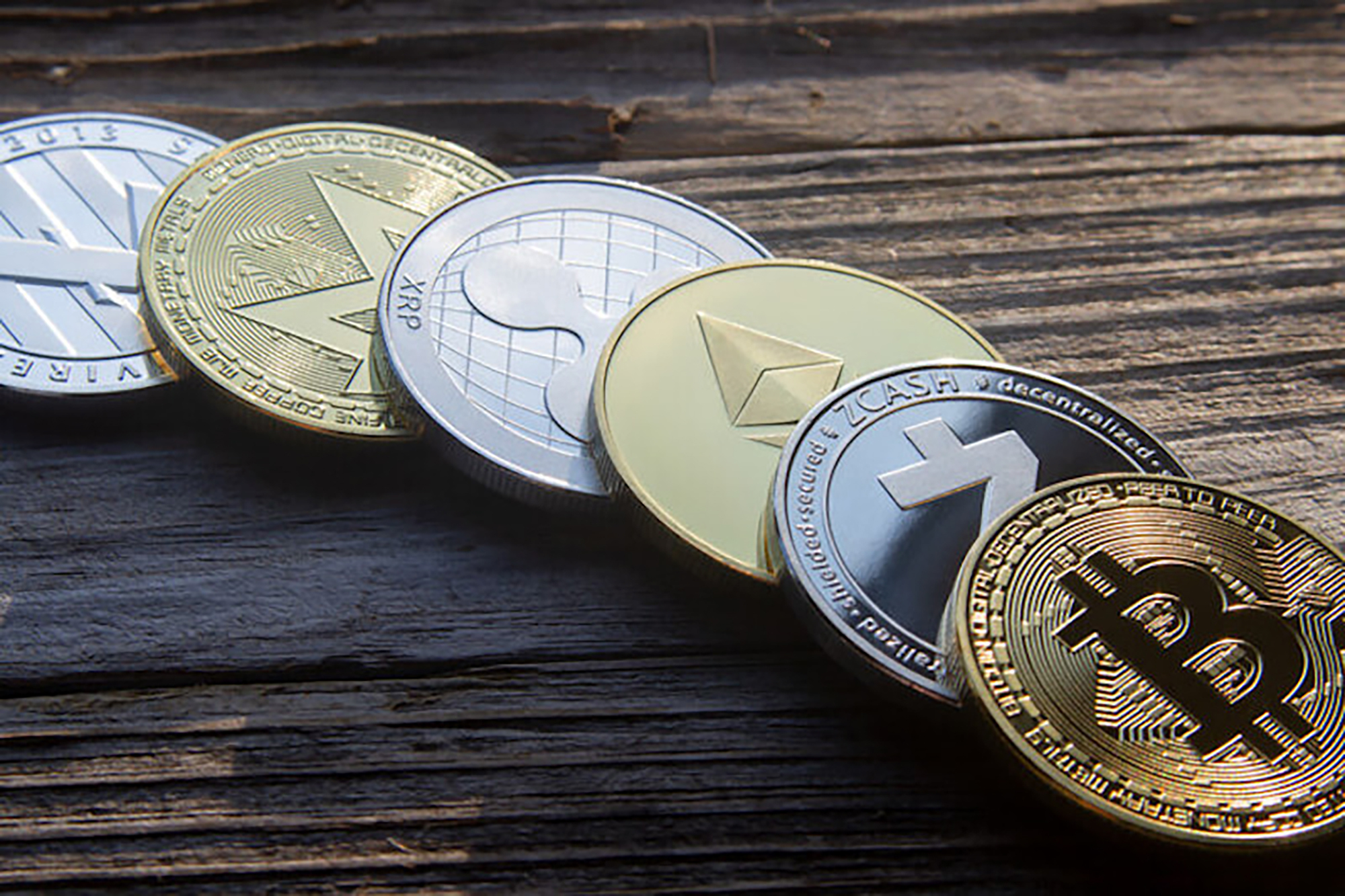
Future of cryptocurrency
Japan is open to crypto use, recognizing it as a type of money and as legal property. As such, crypto and yen transactions are both managed by the country’s Financial Services Agency, and citizens of the country are free to own or invest in crypto. The country has recently toughened its rules on sharing customer information between crypto exchanges, in an attempt to tackle money laundering.
The incidents seem to have prompted the moves to propose accounting and reporting guidance for crypto assets, as Reuters reported last year. In the EU, rules were being worked on before the bankruptcy of crypto exchange FTX.
It sees a need for greater consistency on the regulation and oversight of crypto assets activities given the cross-border nature of the markets, which creates “significant risk of harm” for investors.
The Forum’s Digital Currency Governance Consortium, composed of more than 80 organizations and representing diverse sectors and geographies, is working to this end. It has focused its second phase of work on examining the macroeconomic impacts of digital currencies and informing regulatory approaches for the same, as stakeholders continue to experiment with these instruments and the adoption of cryptocurrencies, stablecoins, and central bank-issued currencies.
So if we acknowledge that traditional finance and mining account for a significantly larger share of greenhouse gas emissions than crypto, the question we should be asking ourselves is how crypto and blockchain can actually lead the way and become a positive, transformative force for the energy sector, slashing operating costs and opening up a new window of transparency.
